This article is brought to you by: US Rubber, leaders in rubber lining and repairs

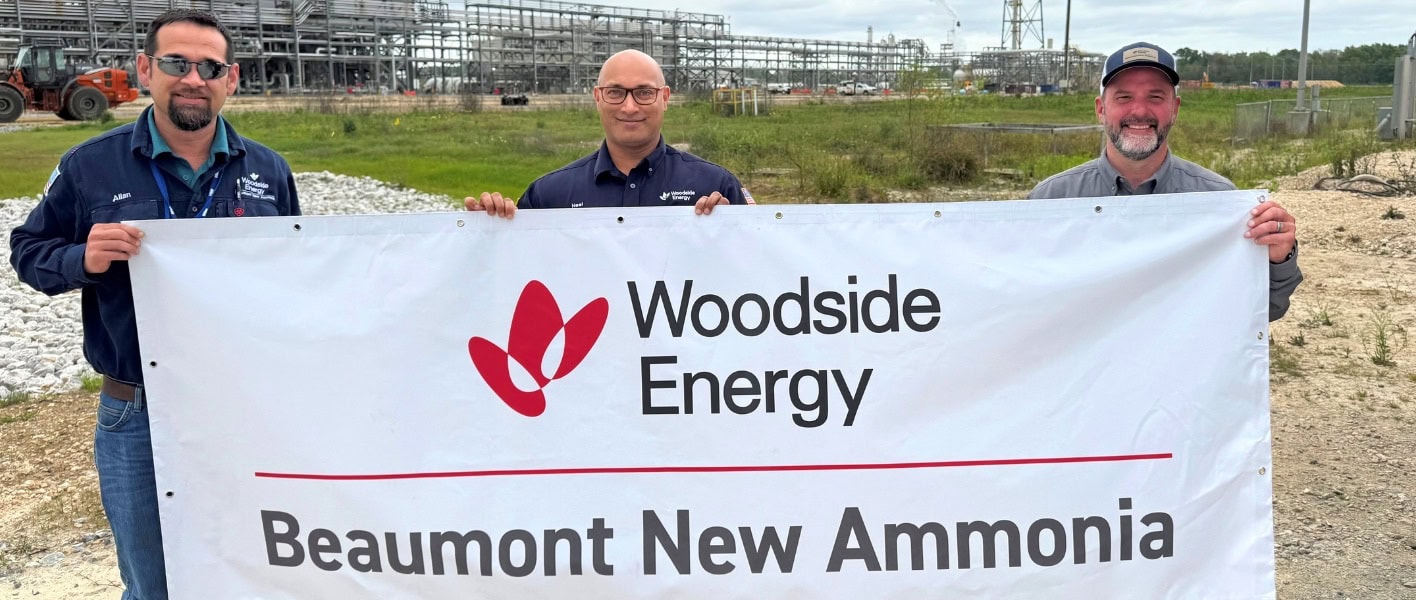
Woodside entered a new era this month when it took operational control of its Beaumont New Ammonia (BNA) facility in Texas, USA.
New CEO and MD Liz Westcott described it as a “milestone in Woodside’s strategy to invest in new energy products and lower-carbon services”, with BNA having the potential to approximately double existing US ammonia exports.
Here are five things to know about Beaumont New Ammonia:
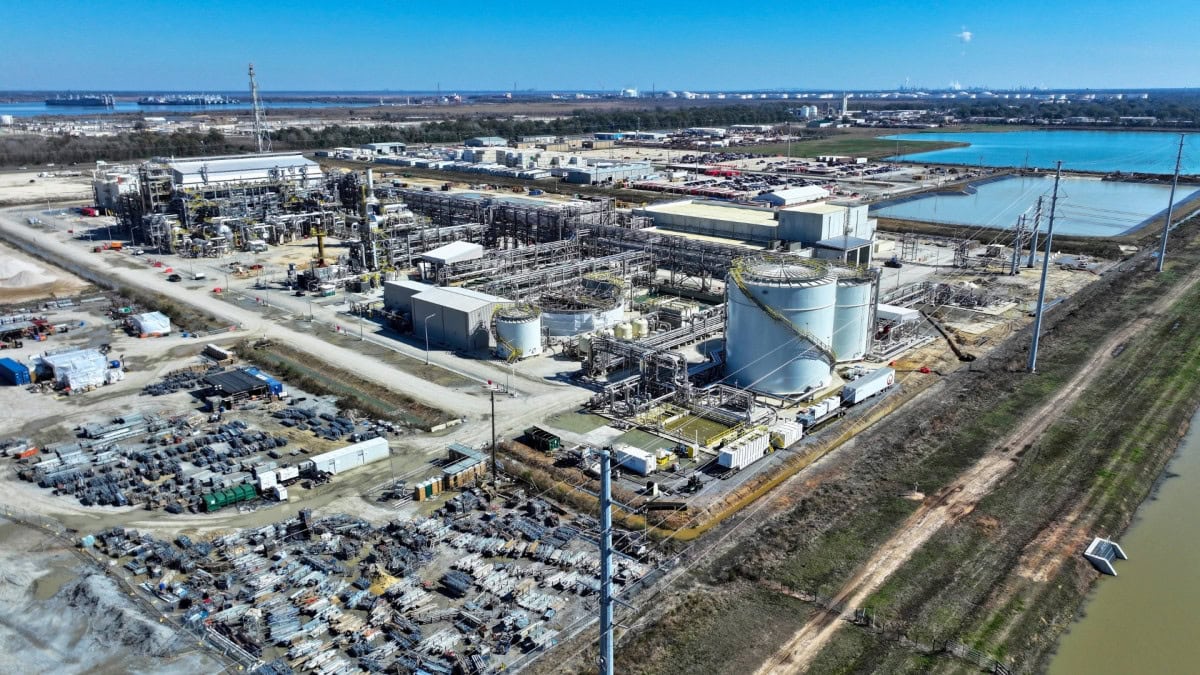
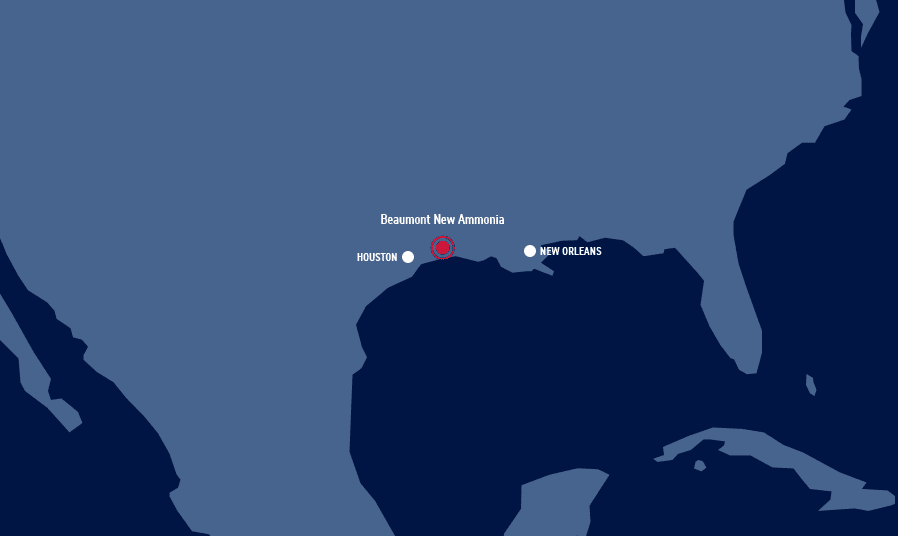
- Woodside Energy officially brought ammonia production under its operational control this month when OCI Global handed over control of the Beaumont New Ammonia (BNA) facility in Texas, about 140 km east of Houston.
- The agriculture sector is currently the major market for ammonia as its main use is to make fertilisers. The chemical is also used in the textile and pharmaceuticals industries and it can also potentially be used to generate power.
- Woodside acquired the BNA facility for US$2.35 billion in an agreement whereby OCI would deliver a fully-staffed and operational facility. As a result, about 90 OCI employees have transferred to Woodside and there will be opportunities for more highly-skilled jobs as production increases.
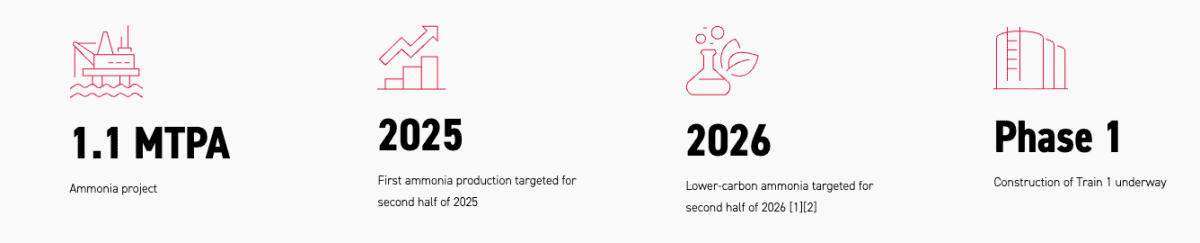
- BNA is already producing ammonia and has the capacity to produce and export up to 1.1 million tonnes annually. BNA has the potential to approximately double existing US ammonia exports. Woodside has secured offtake agreements at prevailing market prices from the conventional ammonia market, and further sale agreements are being advanced in line with anticipated BNA production output.
- Woodside’s medium-term aim for BNA is to produce lower-carbon ammonia. We anticipate demand for lower-carbon ammonia to continue to develop globally, with strong interest shown by customers in Europe and Asia as they pursue energy security and decarbonisation objectives.
Courtesy of Woodside Energy
About the Project:
Beaumont New Ammonia
The Beaumont New Ammonia Project, located in Beaumont Texas, will position Woodside as an early mover in the growing lower carbon ammonia market. The project is targeting production of first ammonia from the second half of 2025, and lower carbon ammonia from the second half of 2026.*1,*2
Formerly the OCI Clean Ammonia project, Woodside acquired the project in September 2024 and renamed to Beaumont New Ammonia Project. Construction of Train 1 is underway, with OCI managing the construction of the project, as Woodside work towards Phase 1 project completion for operations readiness in the second half of 2025. Woodside continues to work closely with OCI in preparation for operations readiness.
The project will include an ammonia synthesis facility, supporting infrastructure, utilities, and storage tanks.
A material step forward
Under ownership of Woodside, the Beaumont New Ammonia Project will shift to the production of a new, lower-carbon ammonia product following ExxonMobil’s carbon, capture and storage (CCS) facility becoming operational.
The transaction will generate returns exceeding Woodside’s capital allocation framework targets, with Phase 1 of the Project expected to be free cash flow accretive from 2026.
The project also represents a material step towards delivering Woodside’s Scope 3 investment and abatement targets.*3,*4
The potential applications for ammonia include power generation, marine fuels, and as an industrial feedstock, as it displaces higher-emitting fuels.
Footnotes
1. Woodside uses this term to describe the characteristic of having lower levels of associated potential GHG emissions when compared to historical and/or current conventions or analogues, for example relating to an otherwise similar resource, process, production facility, product or service, or activity.
2. Production of lower-carbon ammonia is conditional on supply of carbon abated hydrogen and ExxonMobil’s CCS facility becoming operational.
3. Scope 3 emissions abatement capacity of 1.6 Mtpa CO2-e assumes supply of carbon abated hydrogen and CCS operational for phase 1 of the Beaumont New Ammonia Project. Woodside has made the assumption to estimate the avoided emissions through the displacement of conventional marine fuel. Actual displaced emissions may differ based on actual use case.
4. Scope 3 targets are subject to commercial arrangements, commercial feasibility, regulatory and Joint Venture approvals, and third-party activities (which may or may not proceed). Individual investment decisions are subject to Woodside’s investment targets. Not guidance. Potentially includes both organic and inorganic investment.
Courtesy of Woodside Energy