This article is brought to you by: State Service, leaders in modular design and fabrication with a module fabrication yard in Ingleside, Texas

The Pacific Coast terminal’s Phase 1 remains in commissioning, meaning long-term shipping obligations had not yet begun under the EIA’s classification.
Published by Allstream Insiders
Allstream Insiders Summary
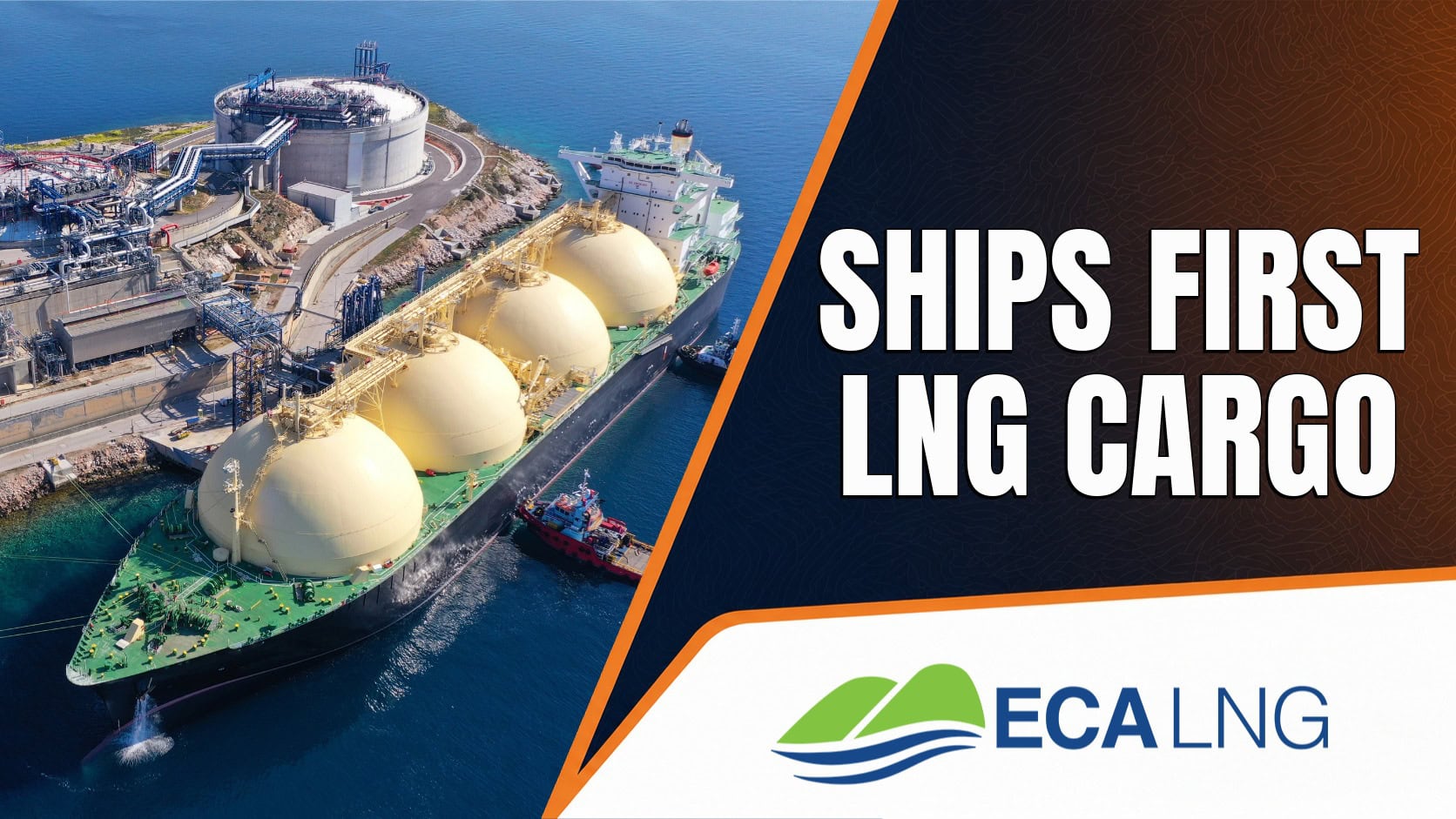
Energia Costa Azul shipped the first liquefied natural gas (LNG) cargo from Phase 1 on July 8, 2026, according to a July 24 analysis from the U.S. Energy Information Administration (EIA). The single-train project adds 0.4 billion cubic feet per day (Bcf/d) of nominal LNG export capacity and triples Mexico’s total export capacity.
The initial cargo is a commissioning milestone rather than confirmation that long-term commercial shipping obligations have started. The EIA defines facilities in commissioning as having introduced feedgas and begun system testing, LNG production and exports, but not yet started meeting long-term shipping obligations.
Energia Costa Azul reaches its first-cargo milestone
The first shipment establishes Energia Costa Azul as Mexico’s second LNG export facility, according to the EIA. It also marks the start of exports from Phase 1 following the introduction of feedgas, system testing and initial LNG production associated with commissioning.
The EIA reported the following verified project details:
- Milestone: Initial LNG cargo shipped
- Shipment date: July 8, 2026
- Project stage: Commissioning
- Development phase: Phase 1
- Configuration: One liquefaction train
- Nominal export capacity added: 0.4 Bcf/d
- Location context: Mexico’s Pacific Coast
Although the EIA described the project as completed when discussing the capacity addition, its commissioning definition is material. First production and exports can occur before a facility begins satisfying its long-term shipping commitments. The available source does not provide a date for that subsequent commercial milestone.
The terminal triples Mexico’s LNG export capacity
Energia Costa Azul’s 0.4 Bcf/d of nominal capacity triples Mexico’s LNG export capacity, the EIA reported. The agency also identified it as the country’s second LNG export facility.
At the regional level, Energia Costa Azul is the first LNG terminal in Mexico and the second in North America to be located on the Pacific Coast. The other Pacific Coast facility identified by the EIA is LNG Canada. With Energia Costa Azul included, North American LNG export capacity on the Pacific Coast reaches 2.2 Bcf/d.
The geography is significant for cargo routing: the EIA said a Pacific Coast location provides shorter shipping routes to LNG importers in Asia. The source does not identify the buyer or destination of Energia Costa Azul’s first cargo.
What the commissioning status means
The EIA’s classification separates an initial export from the start of long-term shipping obligations. Under the agency’s definition, a commissioning facility may have already introduced feedgas, tested systems, produced LNG and exported initial cargoes.
That distinction prevents the July 8 shipment from being presented as evidence that Energia Costa Azul has entered its full long-term shipping phase. The supplied source also does not disclose the project cost, ownership details, construction start date or expected date for the commencement of long-term shipping obligations.
Allstream analysis: The milestone verifies capacity, not new contract awards
Allstream analysis: For infrastructure-market participants, the decision-useful event is the addition of 0.4 Bcf/d of nominal LNG export capacity on North America’s Pacific Coast. The first cargo confirms that Phase 1 reached an export milestone, while the commissioning label shows that operational ramp-up remains distinct from long-term shipping performance.
The source does not identify engineering, procurement and construction awards, equipment packages, service contracts or follow-on scopes associated with the milestone. It therefore does not support treating the first cargo as evidence of a new contractor opportunity or undisclosed capital program.
The next material status change would be confirmation that the terminal has moved beyond commissioning and begun meeting long-term shipping obligations. No date for that transition was provided in the EIA analysis.