This article is brought to you by Failure Prevention Associates, leaders in vibration analysis training

NextEra expands its data-center power strategy with Exxon’s carbon-capture gas generation and new large-scale campus deals with Google amid surging AI electricity demand.
Exxon Mobil and NextEra Energy are moving forward with a major U.S. data center initiative built around a proposed 1.2-gigawatt natural-gas-fired plant equipped with carbon-capture technology.
NextEra’s CEO John Ketchum told investors, as reported by CNBC, that the company is collaborating with Exxon on a massive data center site that would combine natural gas generation with Exxon’s carbon-capture technology to significantly lower emissions. The companies have already secured 2,500 acres in the U.S. Southeast, positioned close to Exxon’s existing CO₂ pipeline network.
According to CNBC, the project remains at the memorandum-of-understanding stage and does not yet have a contracted hyperscale customer. Ketchum indicated that the site will be formally marketed to major cloud and AI companies in early 2026.
Exxon declined to comment on specifics but said it values partners that add strategic value. The oil major has previously stated that it is deepening its development of natural gas solutions for data centers, with CEO Darren Woods indicating in October that discussions with potential customers and partners were well advanced.
NextEra Expands Strategy Beyond Renewables to Meet AI Demand
While NextEra remains the largest renewable energy developer in the U.S., the company is increasingly turning to natural gas to meet explosive AI-driven electricity demand. CNBC reported that NextEra expects to add up to 8 GW of gas generation by 2032 and is building a 20-GW pipeline of future gas projects.
Ketchum also stated that although data center hubs often begin with “bridge power” such as renewables and battery storage, natural gas is expected to follow as a long-term backbone.
Google Deal Accelerates Data Center Build-Out
The Exxon partnership arrives as NextEra deepens its strategic alliance with Google. According to Reuters, NextEra and Google Cloud announced plans to build multiple new U.S. data center campuses supported by new power plants. The two companies already have 3.5 GW of generation capacity operating or contracted.
The news agency reported that NextEra and Google will also launch an AI-powered grid reliability product by mid-2026 to help predict equipment failures and improve field operations.
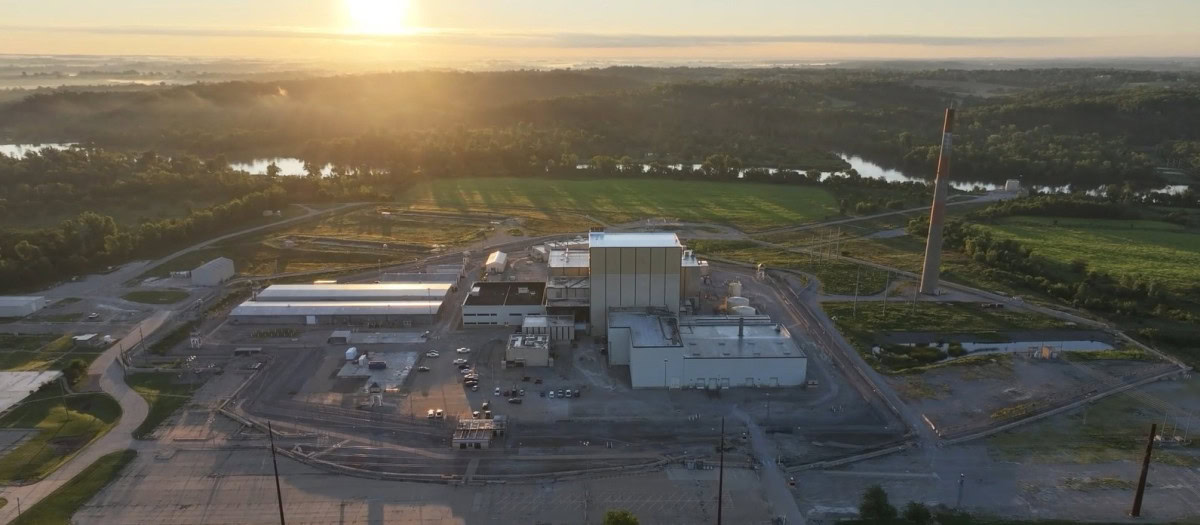
Google’s expanding power strategy also includes nuclear: NextEra recently agreed to restart the Duane Arnold nuclear plant in Iowa under a 25-year contract to supply Google’s data centers.
Courtesy of NextEra Energy
Data Center Electricity Needs Hit Record Highs
Both outlets highlighted that U.S. electricity demand is reaching levels not seen in decades due to AI data centers. With grid capacity often insufficient, large technology companies increasingly adopt a “bring-your-own-generation” model, building or contracting dedicated power plants to secure reliable supply. Ketchum told investor that NextEra believes it is uniquely positioned to lead in this model.
NextEra expects to add 15 GW or more of new power for data centers by 2035, which includes the projects with Exxon and Google.
Meta and Others Also Signing Major Contracts
Reuters also reported that Meta Platforms has signed 2.5 GW worth of power purchase agreements and storage deals with NextEra, supporting additional renewable and nuclear output scheduled between 2026 and 2028.
The utility has also extended its nuclear partnership with WPPI Energy to supply 168 MW from the Point Beach Nuclear Plant through the 2050s.
Looking Ahead
NextEra said that it forecasts higher adjusted profits in 2025 and 2026 as AI-driven energy demand continues to grow. The company also expects to announce new gas-fired data-center power deals within 12–24 months.
The Exxon–NextEra partnership marks one of the most significant gas-plus-carbon-capture initiatives in development for the U.S. data-center market, signaling that, even as renewables and nuclear surge, natural gas with emissions control may play a critical role in powering the next generation of AI infrastructure.
The projects reflect a growing trend in the energy and tech industries, where artificial intelligence workloads are driving unprecedented power demand and accelerating investment in new generation sources.
Article by: João Fernando
About Downstream Calendar
Downstream Calendar is the trusted platform for events and news in the downstream oil and gas industry. Focused on refining, petrochemicals, chemicals, and manufacturing, Downstream Calendar provides a comprehensive hub for conferences, expos, training sessions, networking events, and industry updates that matter to downstream professionals, contractors, and suppliers.
If you have ever wondered or searched for:
“What are the top downstream oil and gas conferences?”
“Where to find refining and petrochemical events and news?”
DownstreamCalendar.com ensures energy leaders, engineers, and decision-makers can quickly find the latest opportunities and insights shaping the downstream sector.
By uniting a curated calendar of downstream events with timely industry intelligence, Downstream Calendar connects professionals with the knowledge, people, and innovations driving the future of refining and petrochemicals.
Downstream Calendar — Your source for downstream oil and gas events and news.
This event reminder is sponsored by: Morris & Dewett Injury Lawyers, that specialize in Oil and Gas Oilfield accidents, Industrial Accidents, Offshore Accidents, Construction Accidents, and wrongful death.